
70% of Child Deaths Preventable, 77% of deaths Misdiagnosed, 35% Linked to Malnutrition: CHAMPS Data Drives Urgent Health Policy Action in Sierra Leone.
New evidence from the CHAMPS program in Sierra Leone shows that 70% of child deaths in Sierra Leone could be prevented, while 77% of deaths were misdiagnosed in clinical settings, highlighting urgent gaps in the country’s health system and the need for data-driven policy reforms.
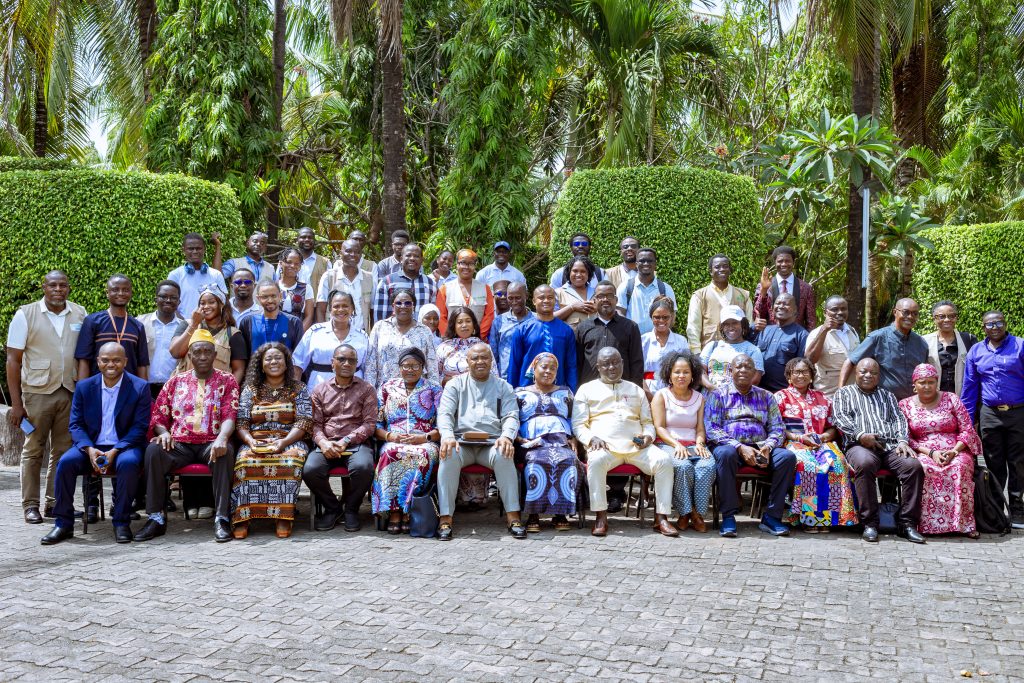
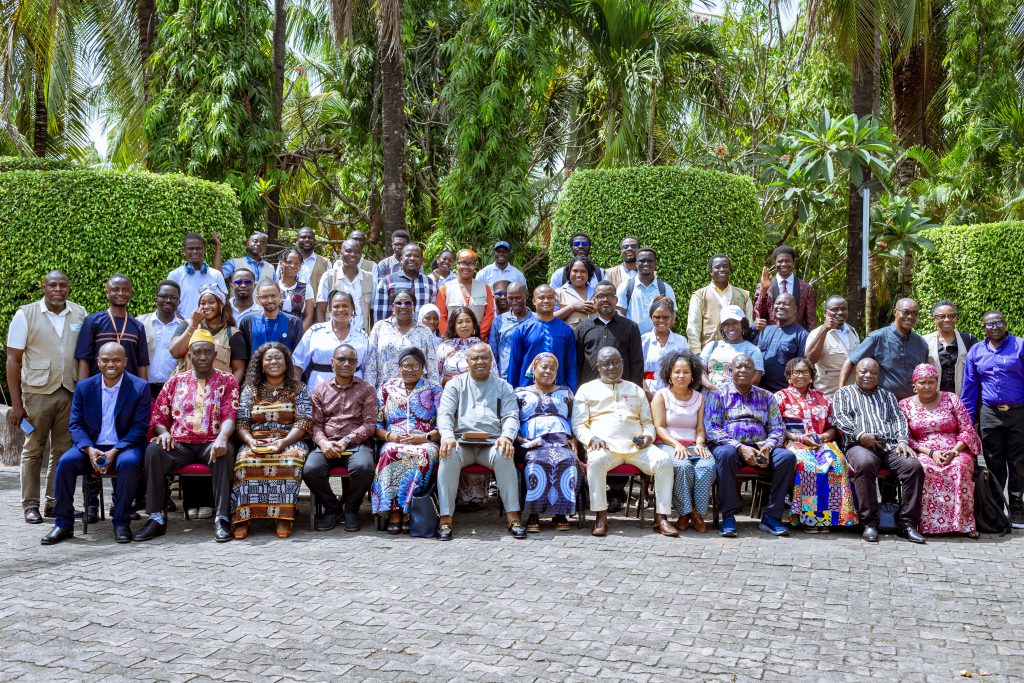
These findings were presented at the 10th CHAMPS Advisory Committee Meeting, held in Makeni under the theme “Beyond Data: Confronting the Hidden Epidemics in our Health System.”
From Data to Action: A Turning Point for Health Policy
Since 2018, CHAMPS has generated high-quality, laboratory-confirmed evidence on the causes of death among children, mothers, and communities in Sierra Leone.
Dr. Charles Senessie, Deputy Minister of Health 1, emphasized the importance of this evidence in shaping national decisions:
“The findings generated by CHAMPS must inform policies, strengthen clinical guidelines, improve service delivery, and guide investments in our health system.”
He challenged the gathering of health experts: “Let us ensure that the evidence generated over the past years leads to meaningful improvements in maternal and child health outcomes.”
CHAMPS data now shows that only 3% of deaths are clearly not preventable, while 70% are preventable and 21% could be prevented under improved conditions, underscoring a major opportunity for system-wide improvements.
Hidden Epidemics Revealed by CHAMPS Data
The CHAMPS surveillance system has uncovered four major “hidden epidemics” driving preventable deaths:
1. Malnutrition: A Leading Underlying Cause (35%)
CHAMPS data reveals that 35% of under-five deaths were linked to malnutrition, making it one of the most critical drivers of mortality.
Encouragingly, community interventions are already showing impact. A CHAMPS-led food demonstration program recorded a rapid improvement in child nutrition, with normal nutrition status rising to 84% within weeks. This improvement was especially important, as the food demonstration utilized ONLY local-available food ingredients instead of imported foods (RUTF or Plumpy’Nuts).
The MOH Chief Nutritionist, Mrs. Millicent Allie, highlighted the importance of community action, while one CHAMPS participant shared:
“…For months, my daughter was dangerously underweight and often ill with fever and diarrhea. I relied on imported cornmeal, not knowing how to nourish her better. Through CHAMPS, she gained weight and strength. I now prepare wholesome local meals: beans, fish, cassava, groundnuts and my child is healthy, active, and thriving…”
2. HIV: A Silent but Significant Threat (21% of deaths were due to HIV)
Among adult deaths studied, CHAMPS found 21% were attributable to HIV/AIDS, with many unaware of their status before death.
Francis K. Tamba of the National HIV/AIDS Control Program warned: “Every new positive case we detect is a potential time bomb if we do not act decisively.”
3. Malaria and Anemia: Major Killers of Children
CHAMPS findings show malaria contributes significantly to child deaths, with malaria found as the underlying cause of death in 41% child deaths in the sample studied.
At the same time, anemia was found to be the immediate cause in 48% of related deaths, pointing to gaps in timely treatment and access to care. Similarly, among the 41% of malaria deaths, 88% of them finally succumbed to anemia as the immediate cause of death.
The committee noted that blood donation remains crucial and achievable; at the same time the focus needs to shift to environmental sanitation. This is evident in the success recorded in the malaria eradication efforts in other countries
4. Antimicrobial Resistance (AMR): A Growing Crisis
Laboratory data revealed alarming resistance patterns, showing that in the isolates from child deaths in Sierra Leone:
- 100% showed resistance to Ampicillin
- 87% showed resistance to Gentamycin and Ciprofloxacin
These findings signal a growing threat of drug-resistant infections within the health system. Improved infection prevention practices in our hospitals, as well as better antimicrobial stewardship are critical approaches to stem this tide.
System Gaps Driving Mortality
CHAMPS data goes beyond identifying diseases; it exposes systemic weaknesses.
The US CDC Country Director, Dr. Monique Foster, noted: “CHAMPS has helped transform how we understand child mortality… not through estimates or assumptions, but through high-quality, laboratory-confirmed evidence.”
She added: “Many child deaths are not attributable to a single cause, they reflect layered vulnerabilities within the health system.”
These include delays in care, weak infection prevention, limited diagnostic capacity, and gaps in service delivery.
Chief Medical Officer, Dr. Sartie Kenneh reinforced the need for community-focused solutions: “We must strengthen community engagement and health education, so that families understand that timely medical interventions can save both mothers and babies.”
Policy Impact: Turning Evidence into National Action
The meeting marked a critical step in translating CHAMPS data into policy and action.
Dr. George Ameh, the WHO Representative in Sierra Leone, stressed: “These hidden epidemics are conditions that may not always receive attention… yet they continue to cause significant illness and death.”
The Advisory Committee agreed on key policy actions, including:
- Expanding HIV testing and reducing stigma (at community and health system levels)
- Integrating nutrition into all levels of healthcare, using locally available food ingredients and recipes
- Strengthening malaria prevention and blood transfusion systems
- Improving drug regulation and tackling antimicrobial resistance
- Investing in laboratory and diagnostic capacity at all levels of the health system
Dr. Boie Jalloh of the National Public Health Agency highlighted the broader impact: “We look forward to strengthening our collaboration with CHAMPS to ensure that the findings translate into practical policies and targeted interventions.”
A Clear Mandate: Beyond Data
Participants emphasized that CHAMPS is not just a research initiative. It is a tool for transforming Sierra Leone’s health system.
Resident Minister, North-East Region, Ibrahim Jalloh noted: “When it comes to managing serious health conditions, we must rely on modern medical care and properly equipped health facilities.”
The meeting concluded with a strong call for accountability and action.
As Dr. Monique Foster put it: “Each data point represents a child, each recommendation carries an obligation to act.”
Conclusion
With 70% of deaths preventable, 77% misdiagnosed, and more than one third linked to malnutrition, CHAMPS data presents a powerful case for urgent, evidence-based health reforms in Sierra Leone. The CHAMPS team, represented by the ARC for Health CEO, Dr. Ikechukwu Ogbuanu, firmly stressed that “…we have clearly shown the key issues, we have unearthed these hidden epidemics, and we pledge to provide any additional data needed for the Advisory Committee to deliver on this clear path: move beyond data, confront hidden epidemics, and translate evidence into actions and policies that save lives in Sierra Leone.”